

A New Approach to Dementia Care

Feb 25, 2021

The statistics are sobering. Currently, every 65 seconds someone in the United States develops Alzheimer’s Disease and one in three seniors dies with Alzheimer’s or another dementia. Perhaps you know someone who has been affected or someone who needs dementia care in New Hampshire or Vermont. If so, you know the toll it takes on the individual and their caretakers. A cure has yet to be found.

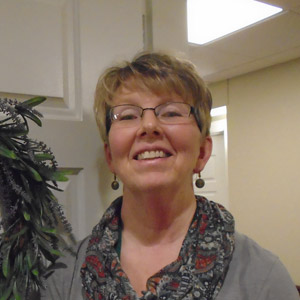
Two years ago, The Morrison Communities in Whitefield embarked on a new approach to dementia care that is led by our Dementia Education team of trained staff, led by our Memory Care Community Director Mary Bates, MS, CT, and a Certified Dementia Practitioner. The comprehensive program of dementia education empowers staff, residents’ families and friends, and anyone who would like to have a greater understanding of dementia with active ways to care for someone living with the disease.

Sponsored by the Massachusetts-New Hampshire Chapter of the Alzheimer’s Association, the dementia education program, called Habilitation Therapy, employs a non-pharmacological approach to dementia care that uses practical techniques to enrich and promote a positive quality of life.

“We are able to adapt the training strategies to our current residents, entering into their reality and being open to understanding what it is they are trying to communicate,” says Bates. “It’s been so amazing and enlightening to see how effective it is.”

Successful strategies don’t minimize the fact that an individual’s personality, abilities and desires change and diminish as the dementia progresses. “We are trying to help families to relate to their loved one in a meaningful way that helps the person with dementia feel loved and understood,” Bates says.

Through this periodic column, The Morrison Communities Dementia Education Team would like to share the experience, knowledge and resources we rely on with the Caledonian-Record’s readers looking for help with dementia care in New Hampshire and Vermont anticipating that they will be useful for anyone living with, caring for or coming into contact with a person with dementia. The following is an example of one of the strategies we employ that helps reassure and keep residents safe.

Strategy: Bright green is one of the last colors that people living with dementia lose. That simple but valuable piece of information is put into use on a regular basis by the Morrison’s staff. Bright green duct tape is used to wrap around the handles of walkers that residents with dementia sometimes forget to use; now when they see that green tape it prompts them to use their walkers and helps to keep them safe. Bright green duct tape, inexpensive to purchase and easily replaced when worn, can also be used to mark door handles and thresholds, helping people with dementia recognize their living space.

Send your questions to Understanding Dementia at Summit, 56 Summit Drive, Whitefield, NH 03598 or email mary.bates@summitbymorrison.org. We will share information and answer as many questions as possible through this column.

Mary Bates is the Assisted Living and Memory Care Director of Summit by Morrison, a senior living community offering independent living, assisted living, memory care, and respite care. Mary is a Certified Dementia Practitioner.

 The Morrison Communities is a non-profit 501©(3) charitable community that has been providing quality healthcare to residents of New Hampshire’s North Country since 1903. Learn more at www.themorrisoncommunities.org.

Related Posts

Living safely at home

Many seniors desire to remain in their homes where they are comfortable, secure and have created a lifetime of memories with family and friends. Seniors are often confronted with making decisions about staying in their homes and maintaining their independence versus...

Embracing the Role as Grandchild Caregiver

Your grandparents were always there for you, whether it was buying you an ice cream when you scraped your knee or offering you sage advice as you started your journey into adulthood. Now it’s your turn to be there for them and that can be a challenge. How do you help...

Live longer, share time with your grandkids

Anyone who has grandchildren knows that feeling of lavishing them with love and attention. Want ice cream? Sure. Go to the movies? Of course. After all, who doesn’t love spending time with their grandchildren? They provide hours of happiness and, if they become a...

Stay focused to keep your eyes healthy

Thanks to Shakespeare, many people associate this month with the Ides of March. But for seniors, the American Optometric Association (AOA) would like them to think of it as the “Eyes of March.” The AOA designates March as its annual “Save Your Vision Month” to bring...

Coping with stress after retirement

For many people, the years after retirement are supposed to be free of stress. The children are grown and living on their own. The mortgage payments are over. Retirement provides freedom. Stress? That’s in the past. Obviously, that’s a fallacy. Seniors have plenty of...

Heart Health: Five ways to help prevent cardiovascular disease

Cardiovascular disease accounts for 25 percent of all deaths in the United States – about 630,000 annually according to the Centers for Disease Control and Prevention. So, what are you doing to improve your cardiovascular health? Here are five steps you should be...

Make Sure Your Medication Management is Safe

As we age, we become more dependent on medications that help us lead healthy lives. It can be confusing keeping track of which pill to take when, at what time and dosage, with food, milk or water, and, well, you get the idea. It’s a lot to swallow! Studies show that...